







Search Results for: Number of Cafés

Parisian cafés have plummeted by 40% in twenty years. Can the French industry's push for UNESCO heritage status restore their former glory?
Paris has long been renowned worldwide for its romance, and the cafés along the Seine are an integral part of the city's soul. Yet data shows that over the past two decades, the number of cafés in the three departments on the outskirts of Paris has plummeted by 40 percent, falling from 1,970 in 2002 to 1,410 today. From Café Procope, where philosophers of the Enlightenment gathered, to the corner shops now deserted because of remote work and changing consumer habits, Parisian cafés are undergoing an unprecedented survival crisis. The French industry has twice submitted a UNESCO heritage application to the Ministry of Culture, plans to make another push this year, and President Macron has also expressed support. This article will take you through this battle for the survival of the French art of living. [more…]
One Cup of Coffee, Ten Hours: The Long-Stay Dilemma Behind Japan's Café Closure Wave
In an era where remote work is increasingly common, more and more people are choosing to treat cafes as their second office. For just a few hundred yen spent on a cup of coffee, they can stay in the shop for hours or even longer. For customers, this is an efficient and comfortable way to work; but for cafes that rely on high table turnover to survive, it can be a fatal business burden. Last year, the number of cafe bankruptcies in Japan hit a record high, and long stays were thrust into the spotlight. Time limits, fewer power outlets, customer dissatisfaction... operators are caught in a dilemma. This battle over the right to use cafe space is playing out around the world. [more…]
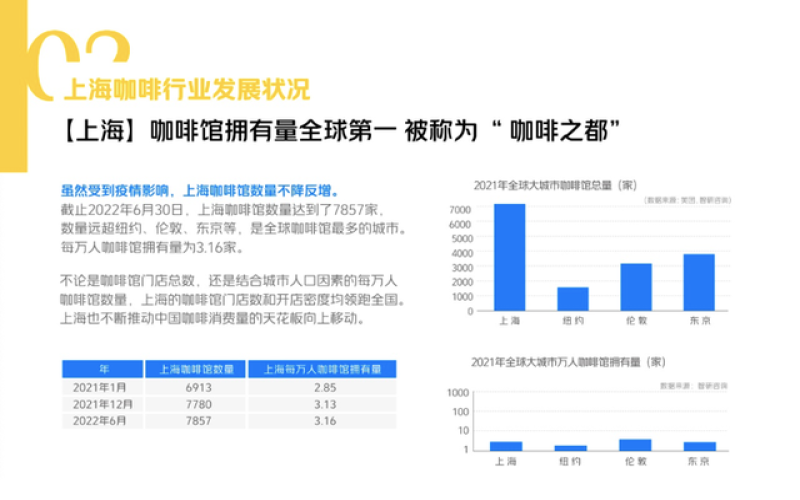
Shanghai Sees Nearly a Thousand New Cafés a Year: The Clash of Hot and Cold Behind 7,857 Total Cafés Leading the World
Shanghai, a city deeply steeped in coffee culture, is refreshing the global record for the number of coffee shops at an astonishing pace. As of June 2022, the city had 7,857 coffee shops, not only firmly ranking first in China in terms of quantity, but also surpassing international metropolises such as New York, London, and Tokyo to become the city with the most coffee shops in the world. Yet behind this numerical growth lie both the rapid expansion of specialty coffee brands fueled by capital and the reality of small shops struggling to survive under the impact of the pandemic. From 867 new additions in 2021, to a slowdown in the pace of openings in the first half of 2022, and then to the industry regaining momentum in the second half, what kind of resilience and challenges has Shanghai's coffee market shown? This article will combine the latest data and industry cases to analyze the driving forces and hidden concerns behind the counter-trend growth of Shanghai's coffee industry. [more…]

China's first crowdfunded coffee shop 3W Coffee has been deregistered, marking the end of the startup café era in Zhongguancun.
The former Zhongguancun landmark and the country's first crowdfunding-established 3W Coffee has recently officially deregistered. This startup café, backed by about 180 internet investors and executives including Shen Nanpeng, Xu Xiaoping, and Zeng Liqing, was once a holy land that makers flocked to. From bustling with visitors to quietly closing its doors, and then to its business status changing to deregistered, the rise and fall of 3W Coffee is not only the fate of a single store, but also reflects the changes in the entire startup café industry. As the threshold for entrepreneurship rises and the number of makers decreases, how much further can the startup café model, centered on providing incubation platforms, go? [more…]

Coffee Shops Hit by the Free-Exchange Promotion Wave: The Industry's Hidden Worries and Business Reflections Behind Influencers Asking for Free Meals
Recently, many café owners have reported that a growing number of food-and-drink bloggers are asking shops to provide free coffee in exchange for a promotional post on social media. If refused, the shops may even face the threat of a bad review. This seemingly mutually beneficial collaboration model is gradually turning into a headache for businesses. This article takes a closer look at the origins of "coffee-for-promotion swaps," the potential risks behind them, and the reputation and quality standards that cafés should truly rely on in running their business. It also includes relevant information about Front Street Coffee for coffee lovers' reference. [more…]
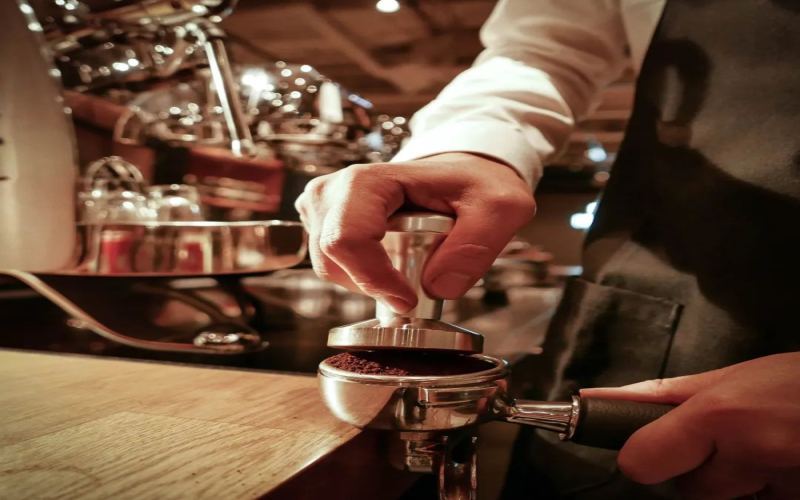
Saying goodbye to 996 to switch careers and open a coffee shop—an ideal way out for middle-aged people, or a 007 trap?
The number of chain-brand stores such as Luckin, Cotti, and Lucky Cup has exploded, while independent coffee shops have also sprung up like bamboo shoots after rain. Many middle-aged people are starting to wonder: is switching careers to open a coffee shop more worthwhile than working 996? Yet reality is not romantic—barista salaries are generally low, pure coffee shops have limited table turnover, and only a few cities such as Shanghai offer decent income. Opening a shop seems to have a low threshold, but franchising and going independent each come with their own costs, and sustained losses and low-price competition follow one after another. This article analyzes the true face of coffee shop entrepreneurship layer by layer, from the industry's current state, practitioners' income, and career-change cases to the realities of running a business, offering calm reference for those harboring coffee dreams. [more…]

Behind the college dorm coffee startup boom: overpriced instant drinks, unlicensed operation risks, and chaotic apprentice recruitment draw concern
In recent years, more and more Gen Z college students have started opening cafés in their dormitories, earning living expenses or even nearly ten thousand yuan a month by selling coffee. A large number of dorm coffee startup stories have appeared on platforms like Xiaohongshu, and some people even charge tuition to run classes teaching it. However, these dorm cafés generally use instant coffee yet sell it for a dozen yuan a cup, and they also involve issues such as operating without a license and unguaranteed food safety. This article takes you through the controversy and hidden risks behind this dorm coffee startup trend, while also providing a professional coffee knowledge exchange channel for friends who truly love coffee. [more…]

Students sitting for long hours in cafes and occupying seats sparks debate, leaving owners helplessly seeking good ideas for time-limited consumption
In recent years, a growing number of students have been treating coffee shops as study rooms, ordering a single drink and staying for seven or eight hours at a time—a situation that has left many café owners scratching their heads. Faced with the dual pressures of declining table turnover and rising operating costs, owners must both protect their reputation and find effective management strategies. On social media, discussions about how to politely encourage long-staying customers to leave are heating up. Some suggest posting time-limit notices, others choose to adjust the ambiance or require refills, and some shops have borrowed from Hong Kong's practice of implementing a two-hour seating limit. This tug-of-war over café space usage and consumer rights reflects the real dilemmas facing the food and beverage industry today. [more…]
Flavor and Taste Analysis of Guatemala Antigua La Flor Coffee Beans: Are Washed Process Bourbon and Caturra Varieties Suitable for Drip Bags?
Guatemala Antigua La Flor coffee beans are a single-origin bean from Front Street Coffee, known for its bright acidity and delicate floral aroma. They come from the La Minita estate in the Antigua region, are processed at the Las Pastores wet mill, and consist of the Bourbon and Caturra varieties. This bean presents berry, citrus, light floral notes, and a chocolate finish, with a soft and clean acidity. This article will comprehensively analyze the source of this La Flor coffee's flavor from aspects including the history of coffee cultivation in Guatemala, the terroir of the Antigua region, the management of the La Minita estate, the washed processing flow, and variety characteristics, as well as Front Street's roasting curve, cupping report, and V60 brewing parameters, and will also discuss whether it is suitable for making drip coffee bags, providing a complete reference for coffee enthusiasts. [more…]
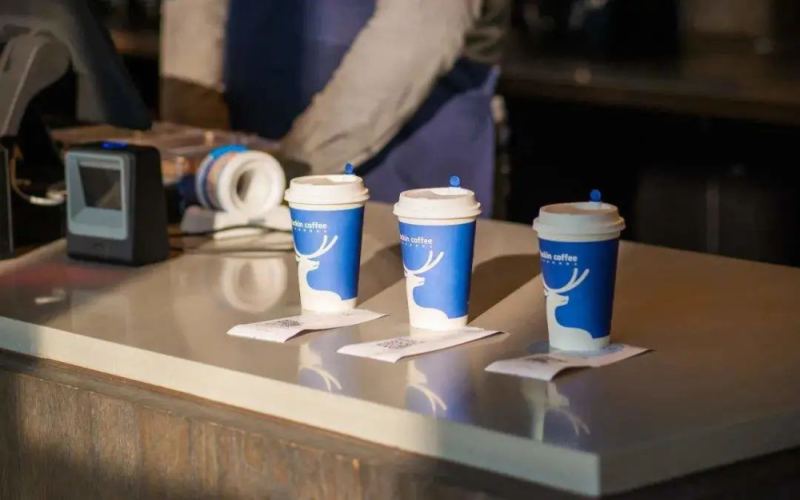
How Independent Coffee Shops Can Survive Between Luckin and Starbucks: The Breakthrough Path of Differentiated Operations and Warm Service
The number of coffee shops has surged dramatically, and it is no longer unusual to find a dozen or even twenty cafés clustered on the same street. Independent cafés now account for more than 70% of all coffee shops nationwide. Yet in areas crowded with chain brands such as Luckin, Starbucks, and Manner, the survival space for independent shops has been greatly squeezed. Drawing on industry data and failed case studies, this article explores strategies for independent cafés to break through in terms of interior design style, business philosophy, and customer return rate. It emphasizes building core competitiveness through warm service, personalized experiences, and distinctive products, rather than blindly following marketing trends. [more…]
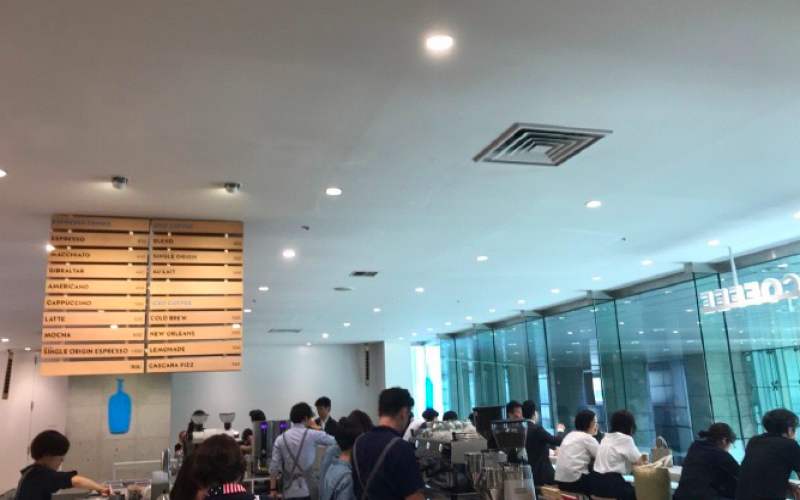
Why Blue Bottle Coffee's Shinagawa store has a rule prohibiting customers from photographing the commuter crowds outside the window
Sitting by the window in a café, sipping coffee while watching the scenery outside, is a cozy image cherished by many. Blue Bottle Coffee's Shinagawa branch, with its entire north-facing glass curtain wall, offers a panoramic view of the surging crowds of commuters at Shinagawa Station, yet it unexpectedly went viral as a "corporate slave observation café." A large number of tourists come specifically to photograph the black torrent of suited commuters outside the window, sparking discontent and complaints from the photographed office workers. The shop subsequently posted a rare notice, asking customers not to photograph the commuter scene below. This "no outdoor photography" reminder not only failed to quell the enthusiasm for checking in but instead stirred up even more curiosity. This article will take you through the unique situation of this store and the controversies and amusing anecdotes surrounding it. [more…]
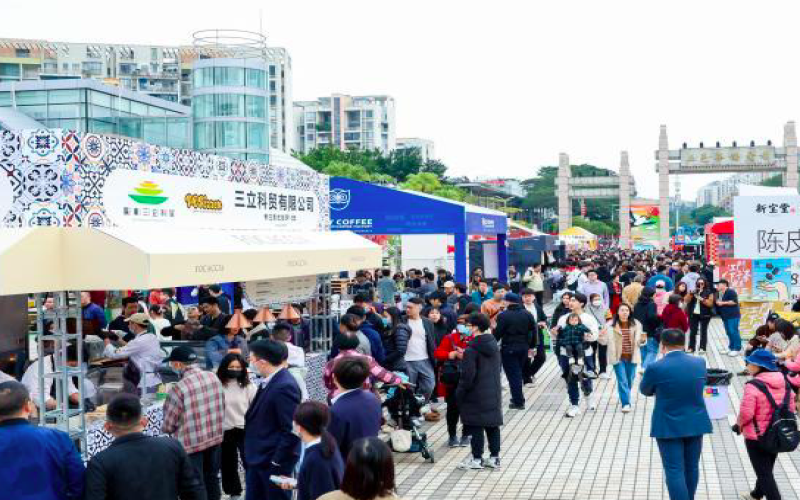
Jiangmen's coffee shops surpass 1,500, with 3.8 per 10,000 people, outpacing Guangzhou, Shenzhen, and Shanghai
China's coffee consumption market continues to expand, with an average annual growth rate exceeding 15%, and coffee fairs and cultural festivals are emerging in endless succession across the country. Jiangmen, Guangdong recently held a Coffee Culture Week, attracting more than 150 coffee brands to exhibit, but what is even more noteworthy is the astonishing growth of coffee shops in this city—by the end of last year, the number had surpassed 1,500, with more than 400 new ones added during the year, an increase of over 35%. In the "2022 Top 100 Ranking of Chinese Cities by Number of Coffee Shops," Jiangmen ranked 21st nationwide, with 3.8 cafes per 10,000 people, a density that has already surpassed first-tier cities such as Shanghai, Shenzhen, and Guangzhou. Behind this phenomenon lies not only the profound accumulation of coffee culture in this century-old hometown of overseas Chinese, but also the combined impetus of returning young entrepreneurs starting businesses and chain brands pursuing a downward-market expansion strategy. This article will analyze the multiple factors behind the rapid rise of Jiangmen's coffee market and explore the future trajectory of involution in the industry. [more…]
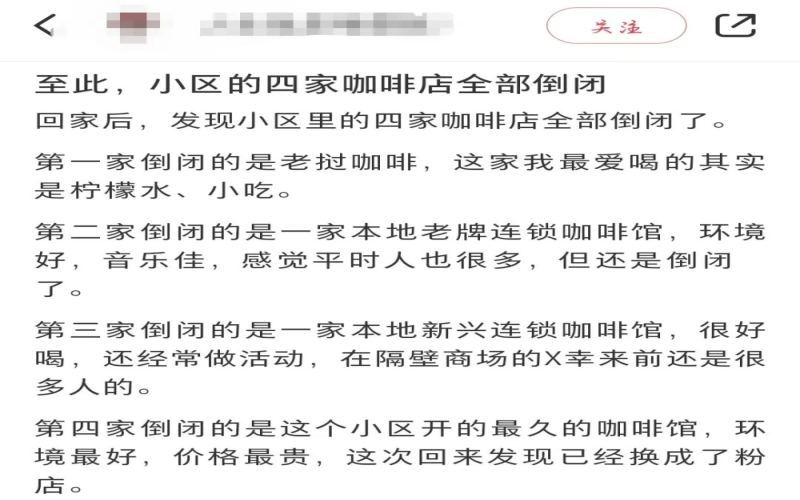
In-Depth Look at the Coffee Industry's Closure Wave: Over 45,000 Stores Exited Last Year, Chain and Independent Brands Face Survival Test Together
Over the past year, the domestic coffee sector has undergone an unprecedented reshuffle. Data from Zhaomen Canyan shows that nearly 53,000 new stores opened in the past year, but net growth was only just over 6,000, meaning more than 45,000 coffee shops have quietly exited. From the microcosm of all four coffee shops in a residential compound shutting down, to the sharp contraction of chain brands such as Benlai Budgaiyou and Seesaw, to top brands like Starbucks and Manner adjusting their store layouts, the wave of closures has swept across operators of different scales. At the same time, coffee bean futures prices hit a record high, and with cost pressure compounded by market saturation, many coffee shop owners find it hard to be optimistic about the outlook. This article reviews industry data and typical cases to present this hard battle over the survival of stores. [more…]
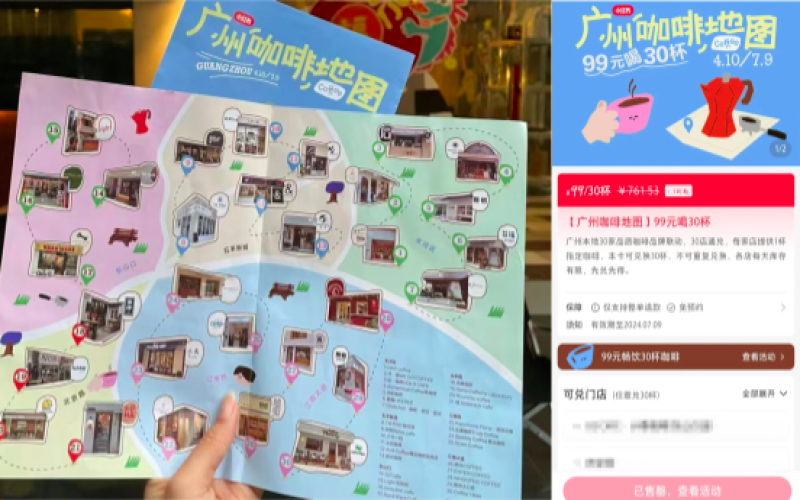
Drinking across 30 Guangzhou cafés for 99 yuan? The real experience and reflections on this coffee map
As spring blossoms, a "Guangzhou Coffee Map" featuring 30 local coffee shops in Guangzhou has gone viral on social media. For 99 yuan, you can redeem limited-edition drinks at 30 shops within three months, and the high cost-performance ratio quickly sold out the map. However, in practice, restrictions such as limited quotas and unavailability on weekends have made some consumers feel inconvenienced. Is this event a boon for coffee lovers or a marketing gimmick? For coffee shops, what long-term value can this wave of traffic bring? This article takes you behind the scenes of this coffee map. [more…]
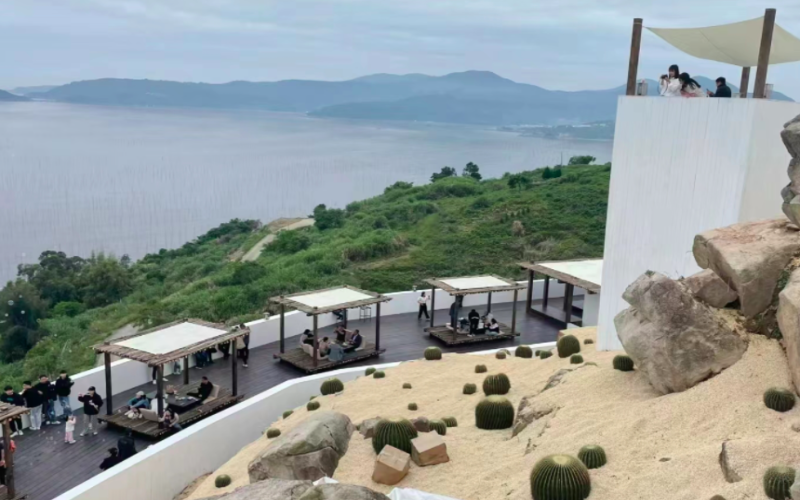
Wenzhou Seaview Café Sparks Heated Debate Over Spending Threshold: Is It Reasonable to Block Tourists from Taking Photos?
In recent years, cafes have become popular check-in spots thanks to their unique locations and exquisite decor, but the management challenges that come with this have also sparked controversy. A cliffside cafe facing the sea in Cangnan County, Wenzhou, Zhejiang, has been questioned by some visitors for requiring them to scan a code and make a purchase before being allowed onto the viewing platform to take photos. Why did the shop set this threshold? And what is the attitude of netizens? This article sorts through the whole incident and explores how viral cafes can find a balance between foot traffic and business operations. [more…]
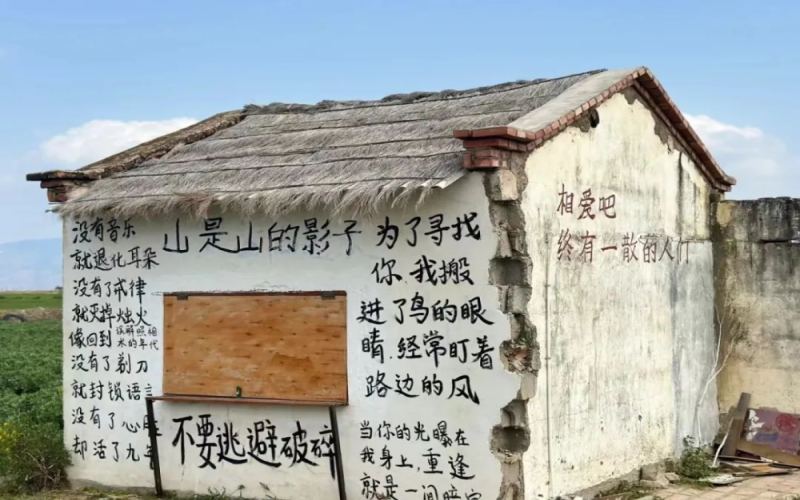
Reality vs. Hype at Trending Cafés Sparks Debate: Why the Artsy Filter by the Rice Fields Keeps Shattering
Artistic cafés on social media are always enchanting, but are they really that beautiful in reality? Recently, a tourist traveled all the way to Dali, Yunnan, to visit a trendy café by the rice fields, only to be stunned by what they saw—a thatched roof and mottled white walls, mocked as looking like an outhouse at the village entrance. From lush green rice paddies to a withered yellow expanse after harvest, from carefully composed shots to filter-enhanced images, when natural scenery becomes a café's selling point, variables like season and weather can shatter the artistic fantasy at any moment. This article takes you behind the scenes of trendy cafés, and also reminds coffee lovers to do their homework before making a trip to check in, and not to be led astray by "photo scams." [more…]

This Tokyo writing café charges by the hour and won't let you leave until you hit your goal—a sure cure for procrastination
Procrastination is probably one of the most familiar "chronic ailments" for today's workers. In the Koenji area of Tokyo, Japan, there is a special café called the Manuscript Writing Cafe (原稿執筆カフェ), which opened on April 7, 2022, and is designed specifically for writers. To enter, you need to make a reservation in advance and write down your work goal and start time on a small card. Staff follow up on your progress every hour, and you are not allowed to leave until you complete your goal. You can even choose to be subjected to mild, normal, or heavy pressure to hurry up. The seats are equipped with power outlets, USB ports, and high-speed Wi-Fi. Coffee is self-service, and you can bring your own food, but there is a charge of 300 yen per hour. This cafe previously also ran a "video editing cafe," and the owner is the same person. For workers who need to focus on meeting deadlines, this kind of environment is both comfortable and carries a moderate sense of tension. [more…]

Multiple trendy cafes in Shanghai have been filed for investigation due to food safety violations, with expired ingredient issues concentratedly exposed against the backdrop of work resumption
As Shanghai gradually resumes work and production, the coffee industry should be welcoming a recovery, yet recently several trendy cafés have been investigated by regulatory authorities one after another over food safety issues. From People's Café using expired parsley flakes, cranberry juice, and other ingredients, to MANNER Coffee's poor hygiene conditions, to the expired egg white liquid used at Dang Zhu Fei Café to make cake roll bases, these incidents have exposed the neglect of food safety by some stores under the pressure of resuming operations. This article reviews these typical cases and explores how small cafés can hold the line on compliance when ingredient supplies are tight. For consumers who love coffee, understanding this information helps them choose places to consume more rationally, and Front Street Coffee also reminds practitioners that no matter how much order pressure there is, food safety is always a red line that cannot be crossed. [more…]
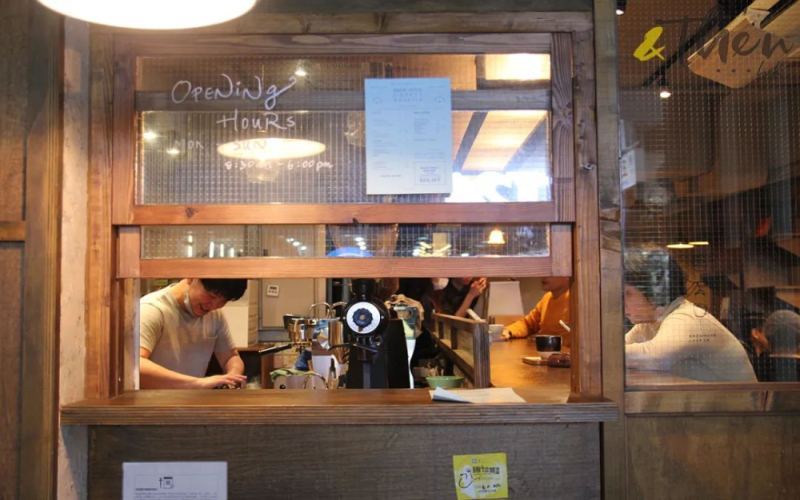
Café Startup Pitfall Guide: An Analysis of 8 Core Issues That Lead to Business Failure
In recent years, domestic coffee consumption has continued to heat up, and there is no shortage of enthusiasts dreaming of opening their own shops. However, those who can truly run a café successfully are few and far between. Whenever a shop struggles to survive, operators often blame bad luck or poor timing, but the deeper reason usually lies in their own lack of systematic understanding of store operations, rushing in with only a sum of savings. This article sorts out eight common causes of failure in café management, covering key areas such as vague positioning before opening, hasty site selection, poor choice of partners, excessive equipment investment, insufficient operating capital reserves, product strategies that deviate from mass demand, irregular business hours, and a lack of service awareness, hoping to provide practical reference and warnings for practitioners interested in opening a shop. [more…]
Foreign tourists were unhappy with a coffee shop's per-person minimum charge rule; after an argument, they actually threw drinks and verbally abused the staff.
Recently, an independent coffee shop in Seoul, South Korea, got into a conflict with five Chinese-speaking foreign female tourists over its dine-in rule of "one drink per person." The tourists ordered only two drinks but wanted to seat five people; when asked to order three more drinks, they refused and an argument broke out. As they were leaving, one tourist poured an unfinished drink onto the sofa and table, while her companions made obscene gestures at the manager who chased after them and hurled insults. The incident sparked anger among South Korean netizens. Independent coffee shops frequently clash with customers over house rules, and Front Street Coffee reminds us that understanding and respecting a shop's rules is the prerequisite for enjoying coffee culture. [more…]